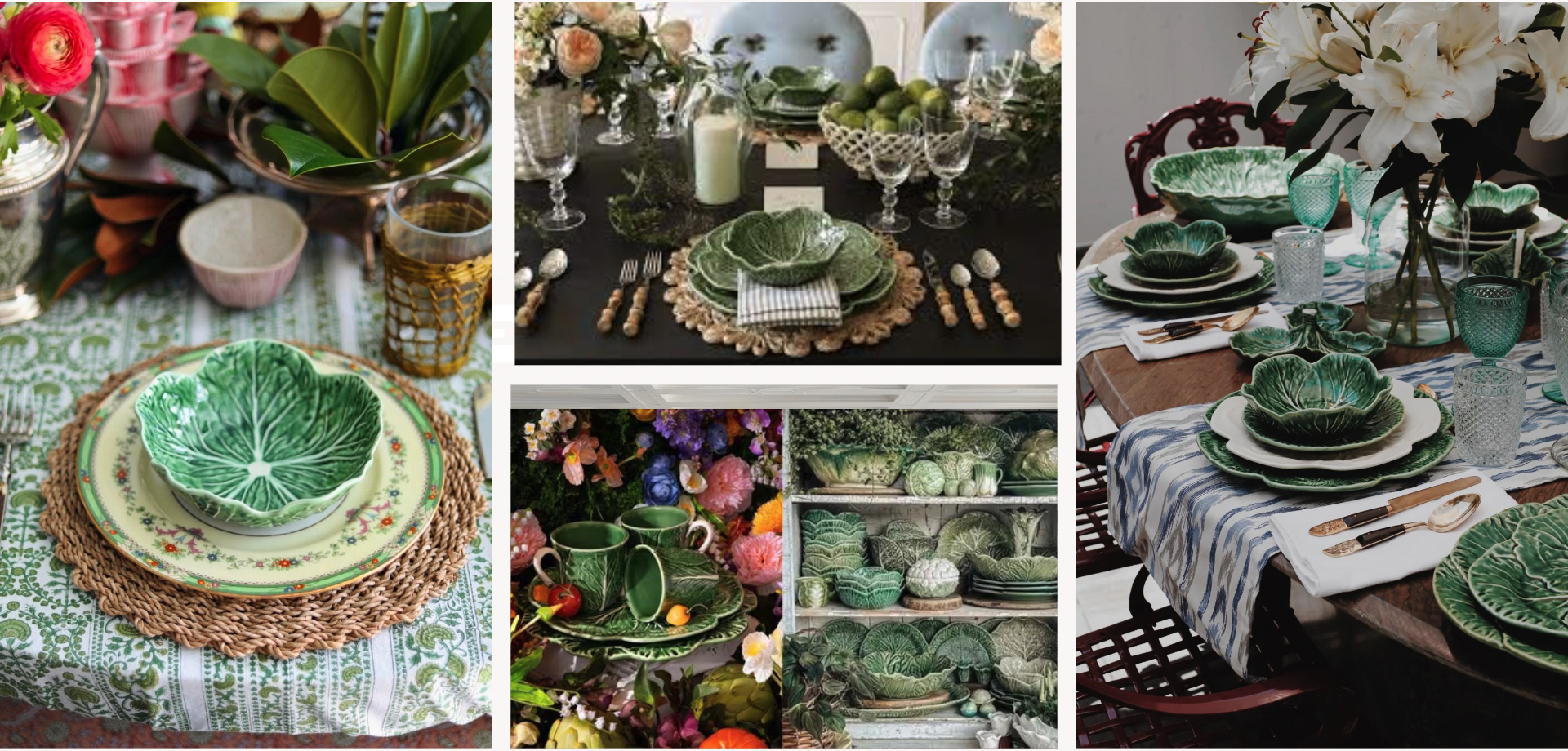
Cabbage plates are having a moment. So is floral wallpaper, so are closed-off rooms and home libraries and colors that would have been banished under the reign of millennial gray.
The names are playful. The needs underneath them are not.
Home design trends are a window into how people want life at home to feel: more personal, more controlled, more human. That matters to builders and developers because buyers start imagining that life long before they start comparing floor plans.
Social media has become a lifestyle search engine — interiors, routines, neighborhoods, hobbies, the whole shape of a day. The internet is a collective mood board, and it is open long before the home search begins.
The opportunity for marketers is not to chase the aesthetic. It is to read the signal.
The trend is not the insight
Five aesthetics are pulling most of the attention right now. Taken as decorating advice, they contradict each other — florals and bold color, closed rooms and collected clutter. Taken as evidence of what buyers feel is missing, they line up.
Cottagecore looks like florals, vintage furniture and romanticized rural life. What it is actually selling is a slower pace and more control over an ordinary day. Broken-Plan Living looks like archways and partial walls; the real message is that one big open room can no longer absorb work, school, exercise, caregiving and everyday mess all at once. Grandmillennial and Cabbagecore look nostalgic and slightly eccentric — a rejection of anonymous perfection, and a wish for homes that feel collected rather than delivered. Dopamine Decor looks like bold color and playful objects, and it says people now expect their surroundings to do something for their mood.
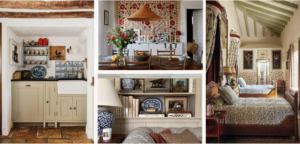
None of that is a mandate. Plenty of buyers want no part of a green cabbage tureen. But each trend points at something more durable than itself. There is an irony worth naming here. Buyers are discovering this slower, more grounded idea of home while scrolling. Nobody is rejecting technology — they still want excellent connectivity. They also want places that make it easy to put the phone down. Design for both.
Buyers are designing for identity
The same pattern shows up in home libraries, podcast rooms, craft corners and hobby spaces carved out of otherwise dead square footage.
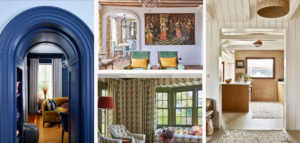
The smartest model homes are catching up, turning spare rooms and awkward nooks into reading retreats, recording studios, pet nooks and art studios. A room labeled “flex space” hands the buyer homework. A room shown as a library gives them a story. They may not want a library, but they still will see the possibility faster.
Specificity does not narrow imagination. Usually, it expands it. That applies to merchandising too: broad appeal does not have to mean visual neutrality. A model that is too polished, too coordinated, too anonymous makes it harder, not easier, for someone to picture their own life in it. The goal is not a louder model. It is one with enough point of view to feel inhabited.
The signal extends past the front door
The same emotional logic runs straight into community planning. A desire for control over pace becomes trails, shaded places to pause, gardens and errands you can do on foot. A desire for connection becomes front porches, pocket parks and small gathering spots, plus programming that lets neighbors meet without staging a major event. A desire for personality becomes architecture, landscape, signage and storytelling that feel native to the place instead of imported from somewhere else.
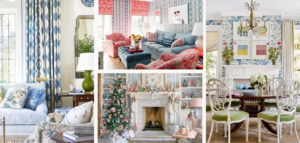
Connection does not require an impressive amenity center. Often it works better spread across small spaces with real reasons to use them. That is also where a community’s personality tends to show up. Nobody describes where they live by the square footage of the clubhouse. They describe the corner where everyone ends up.
Read the signal carefully
Social media moves fast. Homes and communities do not. A model, a floor plan or an amenity program will still be in market long after the algorithm has moved on.
So, the question is never “should we use this trend?” It is: what need is making this resonate, does that need belong to the people we are trying to attract, and can we deliver on it credibly? That is where research, product planning, placemaking and marketing have to meet. The signal informs the work. It does not dictate it.
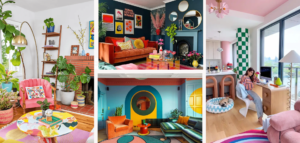
Cottagecore does not mean every community needs a garden plot. Broken-Plan does not mean open concept is over. Dopamine Decor does not mean every model needs a pink ceiling. But the pull toward all of them suggests buyers want more agency, more relief, more distinctiveness and more room for a life that feels like theirs.
Make the desired life visible
Builders present what exists: square footage, bedroom counts, pools, trails, clubhouses. Buyers are asking something more personal. What will mornings feel like here? Where do my interests fit? Can I get both connection and privacy?
Online culture is already helping them answer those questions, before they ever meet a builder or a brand. Residential marketing is not entering a blank space. It is joining a stream already in progress. The job is not to imitate that stream — it is to know what company the brand’s content keeps.
The next aesthetic will show up with a new name, a new palette and a new set of objects to collect. The expectation underneath will not change. People want home to make life feel more like their own. The brands that understand that will do more than present the product. They will make the life visible.
Curious how we might work together? Reach out to Barbara Wray at barbara@wickmarketing.comor (512) 564-4289.
FAQs
What do social media home design trends tell us about homebuyer expectations?
Social media home design trends reveal what buyers hope daily life at home will feel like — more personal, more controlled and more distinctive. Buyers begin forming those expectations online well before they compare floor plans, which makes the trends a useful early read on buyer motivation rather than a decorating directive.
How do home design trends apply to master-planned community planning?
The needs behind home design trends translate directly into community planning and placemaking. A desire for control over pace can inform trails, gardens, shaded places to pause and walkable daily destinations. A desire for connection can inform front porches, pocket parks and programming that helps neighbors meet without requiring a major event.
Should builders design model homes around trends like Cottagecore or Dopamine Decor?
Builders may want to design model homes around the need behind the trend rather than the trend itself. Aesthetics like Cottagecore and Dopamine Decor signal that buyers want more control over daily pace and surroundings that support how they feel. Those needs can be expressed in ways that still make sense after the label fades.
For more, read Homebuyer Signals for MPC Marketing Are Hard to Ignore